Who Pays Gas Fees on Ethereum, and Can You Avoid Them?
The sender of an on-chain transaction pays the gas fee, and on Ethereum that means paying in ETH. Most of that fee doesn’t even reach a validator: under EIP-1559, the base fee is burned outright and only the smaller priority fee, or tip, goes to whoever validates your block.
That said, “the sender pays” gets murkier in practice. A few common setups change who feels the cost:
- Exchanges often cover on-chain gas for withdrawals themselves, then build that cost into minimum withdrawal amounts.
- Custodial platforms sometimes absorb gas fees entirely to keep checkout simple for their own customers.
- Gas-sponsored or gas-included wallets let a dApp or the wallet provider cover the visible fee, or let you pay in a token other than ETH.
The rule underneath all of it never changes: someone pays ETH gas to the network. The exceptions just move who writes that check.
Key Takeaways
The transaction sender always pays Ethereum gas fees in ETH, even when the transaction fails, though exchanges, sponsors, and gas-included wallets can shift who covers that cost from the user’s perspective.
| Point |
Details |
| Sender pays by default |
ETH transfers and contract calls both charge gas to the wallet initiating them, deducted from the ETH balance. |
| Base fee is burned |
EIP-1559 removes the base fee from circulation entirely; only the priority tip reaches validators. |
| Failed transactions still cost gas |
Reverted smart contract calls consume computation and charge the sender regardless of outcome. |
| Exceptions shift visibility, not cost |
Exchanges and gas-sponsored wallets cover fees upfront but recover costs through minimums or built-in caps. |
| Layer 2 cuts costs sharply |
Post EIP-4844, rollup transactions often cost cents instead of dollars for compatible dApps. |
This article is general information, not a substitute for advice from a qualified financial advisor. Consult a qualified financial professional about your own circumstances before acting on anything here.
Table of Contents
What Determines Gas Fees, and Why Do They Change So Fast?
Gas measures computational effort. A basic ETH transfer consumes a fixed amount of gas, while more complex operations like smart contract calls can require substantially more gas depending on the complexity of the actions. The fee itself is gas used multiplied by gas price, with the price quoted in gwei (one billionth of an ETH).
Say a transaction uses 21,000 gas at a typical gwei per unit rate. The fee varies with gas price and network demand, so the cost can swing significantly, sometimes several times higher during busy periods.
Since EIP-1559, that price splits into two pieces:
- Base fee — set algorithmically by the protocol based on how full the previous block was, and burned the moment it’s paid. Nobody collects it, not even validators.
- Priority fee (tip) — what you offer on top to get a validator to prioritize your transaction. This part actually goes to them.
- maxFeePerGas — the ceiling you (or your wallet) set for what you’re willing to pay total. Whatever you don’t use gets refunded automatically.
Fees swing because blocks have a target size, and when demand pushes blocks over that target, the base fee rises to throttle demand back down. When blocks run light, it falls. That’s the whole feedback loop behind Ethereum’s gas market.
Who Actually Collects the Gas Fee You Pay?
The flow is straightforward once you separate the two components. The base fee gets burned, permanently removed from circulation, while the priority fee goes to the validator who included your transaction in a block. If you set maxFeePerGas higher than what was actually needed, the difference gets refunded rather than pocketed by anyone.
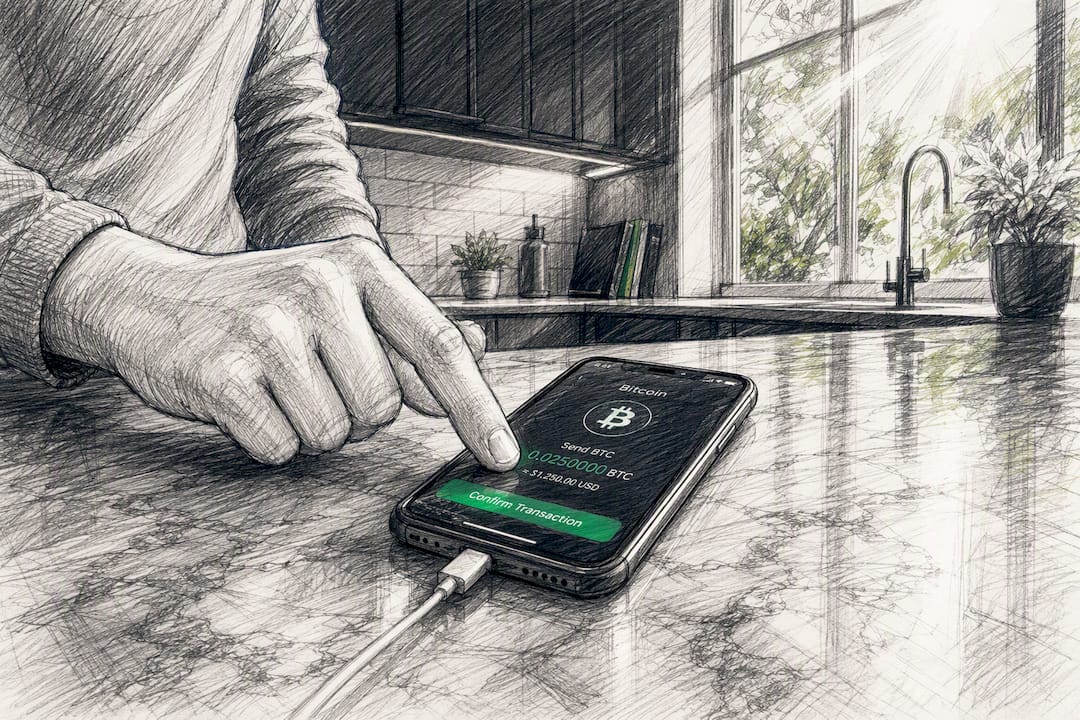
Here’s the part that catches people off guard: you pay gas even if your transaction fails. If a smart contract call reverts because of a slippage error, an insufficient balance check, or bad logic somewhere in the call, the network still did computational work up to the point of failure. That work costs gas, and gas fees come out of your ETH balance regardless of the outcome. The amount doesn’t touch whatever you were trying to send. It’s a separate deduction entirely.
A few mechanics worth knowing:
- Wallets estimate maxFeePerGas automatically, but you can adjust it manually if you’re comfortable reading gas trackers.
- Unused gas within your set limit is refunded; unused gas above the actual base fee plus tip is also refunded.
- Validators don’t rely on tips alone. Staking rewards from the protocol make up the bulk of their income, which is part of why tips can stay modest even during moderate congestion.
Pro Tip: Check a transaction’s status on a block explorer before assuming it went through. A “failed” status still means gas was spent, and re-submitting without fixing the underlying issue just burns more.
When Does Someone Else Cover Your Gas Fee?
Plenty of everyday crypto interactions look like nobody paid gas, but somebody always did.
Exchange withdrawals are the most common example. When you withdraw ETH or tokens from a centralized exchange, the exchange pays the on-chain gas from its own hot wallet, not from a fee taken visibly at the moment of the transaction. That’s exactly why exchanges enforce minimum withdrawal amounts: if withdrawals were unlimited and tiny, gas costs would eat the exchange’s margin on every batch.
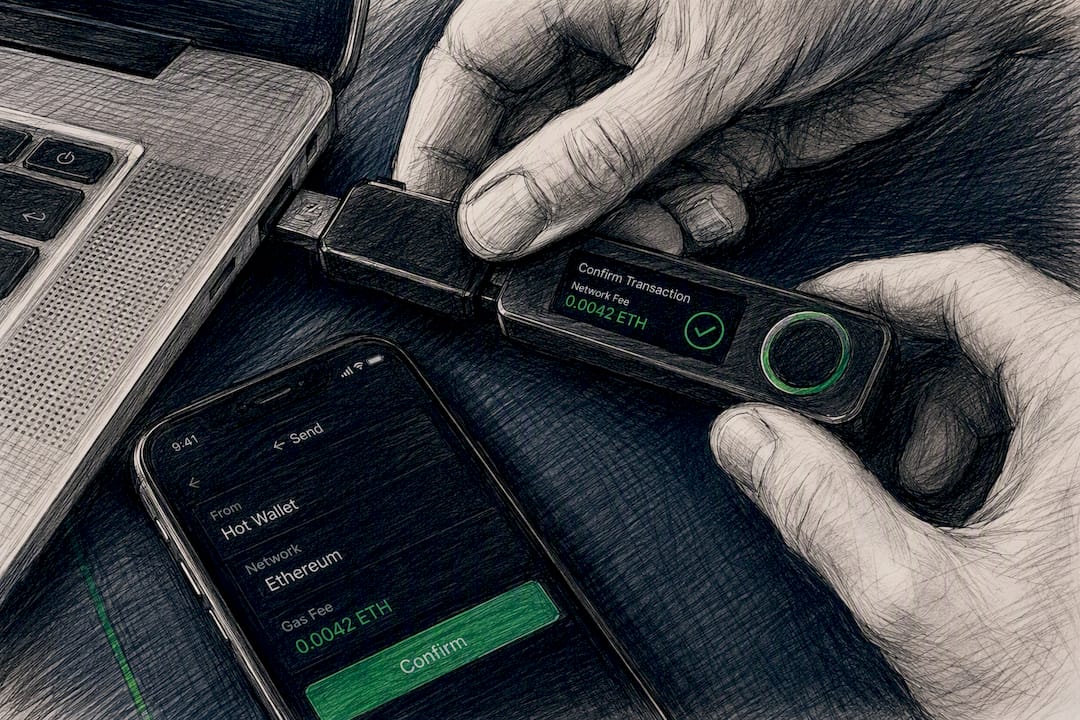
Custodial merchant platforms sometimes do the same thing for a different reason: reducing checkout friction for the end customer.
Gas sponsorship and gas-included transactions are where wallets get creative. MetaMask supports flows where a sponsor or the wallet itself covers gas for eligible transactions, sometimes labeled directly as “Paid by MetaMask” in the interface. Related gas-included features let you pay network fees in tokens other than ETH, with an automatic swap happening behind the scenes.
The underlying ETH cost never disappears in any of these flows. It just gets absorbed by an exchange, a sponsor, or a swap mechanism before it reaches you, which is a UX decision, not a change to how Ethereum charges gas.
Understand that limitation before assuming a “free” transaction really is free. Somebody’s balance sheet still shows the charge.
How Do You Actually Lower What You Pay in Gas?
You have more control over gas costs than most people realize, especially once you separate urgent transactions from ones that can wait.
- Check a gas tracker before transacting. Base fees swing based on network congestion, and timing a non-urgent transfer for a quiet window, often weekends or off-peak hours in US time zones, can cut your cost substantially.
- Use Layer 2 rollups when the option exists. Networks like Arbitrum, Optimism, or Base settle on Ethereum but batch transactions off-chain first. Since EIP-4844 reduced the cost of posting that batched data to mainnet, per-transaction costs on L2s often run in cents rather than dollars.
- Set a sane priority tip. Under normal network conditions, 1 to 2 gwei is usually enough to get included in a reasonable number of blocks. Let your wallet’s suggested tip guide you rather than guessing high out of anxiety.
- Weigh gas-sponsored options deliberately. If a dApp offers to cover your fee or let you pay in another token, understand there’s usually a cap or eligibility window behind it. It’s not unlimited generosity.
- Set gas limits with some headroom, not none. Too tight a limit risks an out-of-gas failure, which still costs you the gas already spent. Too loose doesn’t cost more, since unused gas gets refunded automatically.
Pro Tip: If you’re making the same type of transaction repeatedly, like claiming rewards or bridging funds, batch them where the protocol allows it. One transaction at a slightly higher gas price often beats three separate ones at a lower price each.
How Cryptopayr Handles Gas Friction for Merchants
Merchants shouldn’t have to explain base fees and priority tips to every customer at checkout. Cryptopayr’s gateway supports ETH payments alongside 110+ other cryptocurrencies, with auto-conversion to stablecoins so merchants aren’t stuck managing volatile balances or reconciling gas deductions line by line.
That matters for accounting as much as UX:
- Hosted checkout keeps the payment flow simple for the customer regardless of what’s happening with gas on the back end.
- Auto-conversion means the merchant’s settled amount isn’t quietly eroded by network fee fluctuations between the transaction and the payout.
- No-KYC onboarding means smaller merchants and freelancers can start accepting crypto without wading through gas mechanics before their first sale.
Our merchant guide on how crypto payments actually work breaks this down further for anyone weighing the switch from card processors.
Why the “Who Pays” Question Gets Overcomplicated
Most explainers stop at “the sender pays,” which is technically correct and practically incomplete. The real question merchants and everyday users should ask isn’t who pays; it’s who’s positioned to absorb that cost predictably. A customer paying gas out of pocket on a $15 purchase feels the sting immediately. A merchant who’s built auto-conversion and stablecoin settlement into their flow barely notices it.
The conventional advice, “just use a Layer 2 to cut costs,” is fine but incomplete. It ignores that plenty of merchant tools now abstract gas away from the customer entirely without requiring anyone to understand rollups or blob transactions. That’s the layer worth prioritizing first if you’re building a business around crypto payments rather than just moving your own funds.
The protocol-level mechanics matter for understanding the system. But for merchants specifically, the practical fix isn’t teaching every customer about EIP-1559. It’s picking infrastructure that handles that complexity before it ever reaches them.
— Dustin
Sources
Recommended


