Custodial vs Non-Custodial Gateways: What Merchants Should Pick
Custodial gateways hold your crypto and convert it to cash for you, which suits merchants who need fiat and recurring billing. Non-custodial gateways send payments straight to your own wallet with no intermediary holding your funds, which suits merchants who want instant settlement and zero counterparty risk. Settlement timing and who controls the private keys are the two facts that should decide which one you use.
TL;DR:
- Custodial gateways simplify settlement, recurring billing, and reporting but expose funds to third-party risks during freezes, hacks, or insolvencies.
- Non-custodial gateways offer instant settlement and minimize counterparty risk but require merchants to manage private keys and handle security precautions themselves.
- During crypto crises like FTX or Celsius bankruptcy, custodial fund claims can lead to significant losses, emphasizing the importance of control for merchants.
- Subscription-based businesses benefit from custodial solutions with fiat conversion and pooled balances, while freelancers or small shops may prefer instant, non-custodial settlement.
- Testing small transactions and considering hybrid models can help merchants align their payment setup with their treasury and operational needs.
Table of Contents
Custodial vs non custodial gateways: how the custodial model actually works
A custodial payment gateway sits between your customer and your business bank account. The customer’s crypto lands in the gateway’s pooled wallet first, and the provider settles your balance to you later, often after converting it to dollars or another fiat currency. Industry founder guides describe this structure as the standard architecture behind most mainstream crypto processors, and it’s the reason custodial platforms can offer features non-custodial tools struggle to match.
That pooled-wallet model enables real conveniences:
- Automatic conversion to fiat, so you never touch volatile crypto directly
- Recurring billing and subscription support, since the provider can pull from held balances
- Mass payouts to vendors or affiliates from one dashboard
- Built-in reporting and reconciliation tools
The trade-off is custody risk. Your funds sit with a third party until settlement, which means you’re exposed if that provider freezes withdrawals, gets hacked, or files for bankruptcy. Custodial providers also carry the regulatory weight themselves, registering as money services businesses and running KYC checks, which can slow merchant onboarding compared to no-KYC alternatives.
What is a non custodial payment gateway for merchants?
A non custodial crypto payment gateway never touches your money. The customer pays into an address you control, the software just watches the blockchain and tells your system when the payment lands. Founder guides in the space frame this as routing and monitoring software rather than a financial intermediary, and that distinction is the whole point: even if the gateway provider disappears tomorrow, your crypto stays exactly where it landed.
That architecture changes three things for a merchant:
- Settlement is instant. Once the network confirms the transaction, the funds are yours. No batching, no waiting on a provider’s payout schedule.
- Counterparty risk drops to near zero. Because merchant-held keys mean the gateway can’t move your funds, a provider outage or shutdown can only disrupt notifications, not steal your balance.
- You inherit the security work. Key management, backups, and hardware wallet setup become your job, not the vendor’s.
That third point is where non-custodial setups can bite an unprepared merchant. Lose your private key and there’s no support line to call for a recovery. You also give up some conveniences: fiat settlement is limited or absent, and recurring billing is harder to automate since there’s no pooled balance to draw from on a schedule.
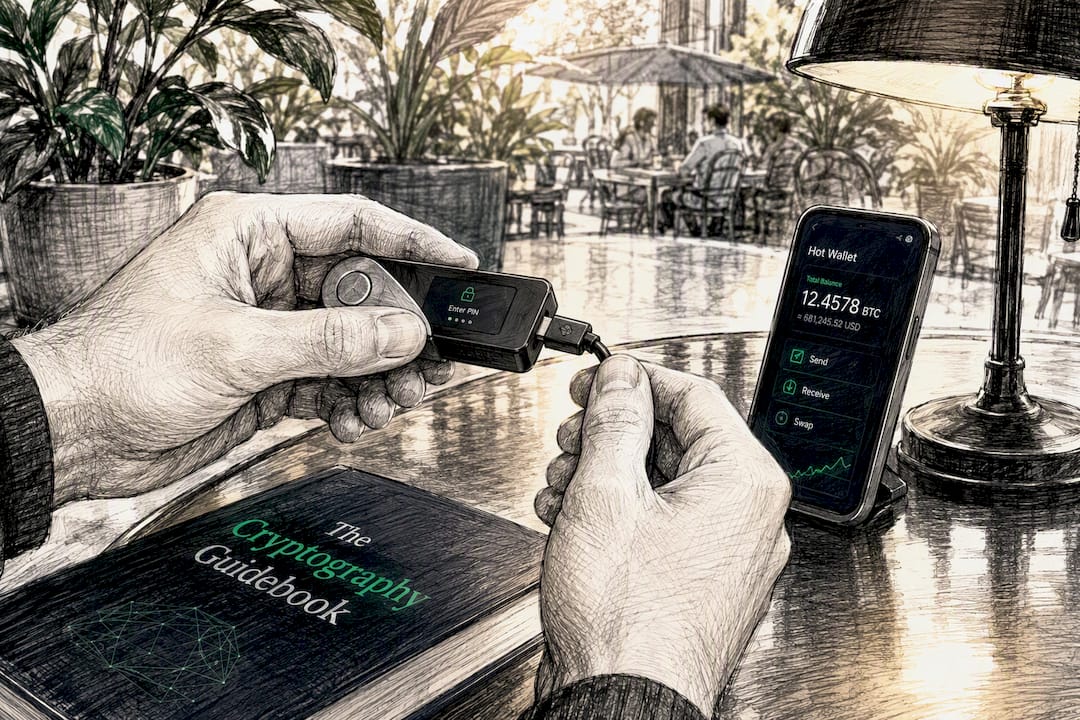
Pro Tip: Keep a hardware wallet as your primary receiving address and a separate hot wallet for day-to-day operational funds. That split limits your exposure if your point-of-sale system or server is ever compromised.
Which model carries more risk for your business?
The clearest evidence for custody risk isn’t theoretical. When FTX collapsed, customers waited years and then began receiving penny-on-the-dollar bankruptcy payouts starting in February 2025. Celsius went through a similar process, distributing a large sum to creditors after its own bankruptcy, with recoveries far below what depositors originally held. Neither case involved a merchant gateway directly, but both illustrate the exact exposure a custodial provider introduces: your balance is a claim against the company, not cash in your own wallet.
Here’s how the practical trade-offs break down for a business weighing custodial vs non-custodial gateways:
- Settlement speed: non-custodial funds are usable the moment the chain confirms; custodial payouts often batch on a daily or weekly schedule.
- Fee exposure: custodial gateways typically bake FX and conversion costs into their fee, while non-custodial tools charge closer to a flat processing fee since there’s no conversion step.
- Feature access: fiat settlement, subscriptions, and mass payouts generally require a custodial or pooled-balance structure to function.
- Onboarding speed: custodial providers usually require KYC and compliance review; non-custodial and no-KYC models can onboard a merchant in minutes.
A single insolvency can wipe out months of held balances overnight, which is why more merchants now treat settlement speed as a treasury decision, not just a technical preference.
How do you choose between custodial and non custodial for your business?
Run through this checklist before signing up with any provider:
- Do you need fiat on settlement? If your accounting runs entirely in dollars or euros, a custodial gateway or a hybrid setup will save you conversion headaches.
- Do you bill on a recurring basis? Subscription SaaS and membership sites usually need the pooled-balance features custodial platforms offer.
- Can your team manage keys securely? If you don’t have someone comfortable with hardware wallets and backup procedures, non-custodial introduces real operational risk.
- What’s the provider’s settlement timeline? Ask directly, daily batches versus instant on-chain settlement is a cash-flow difference that compounds over a year.
- How are disputes and refunds handled? Custodial providers typically mediate; non-custodial refunds require you to manually send funds back, so confirm your process before you need it.
A freelancer or gaming server operator taking one-off payments is often better served by instant, non-custodial settlement. An e-commerce store running monthly subscriptions and needing dollar-denominated payouts usually leans custodial or hybrid, since some providers let you configure non-custodial receipts with optional custodial payout features for exactly this reason.
How does non custodial payment processing work day to day?
The technical flow is simpler than most merchants expect. Your platform generates a unique invoice, the gateway assigns a one-time address, the customer pays, the blockchain confirms it, and a webhook fires back to your system to mark the order paid. From there your own system handles reconciliation.
You have two deployment paths. Hosted non-custodial services handle the address generation and webhook infrastructure for you, which is faster to integrate. Self-hosted options, including open-source projects available on GitHub, give you more control but require your own server and maintenance.
Whichever path you choose, put these controls in place before going live:
- Hardware wallet or multi-signature setup for your primary receiving address
- A clear confirmation policy (how many blockchain confirmations before you ship or unlock access)
- A documented reconciliation process tying webhook events to your order records
- A manual refund procedure, since non-custodial refunds aren’t automatic
Pro Tip: Test your webhook and reconciliation flow with small transactions before launch. A missed webhook on a $5 test order is a minor annoyance; the same failure on a $5,000 order is a support nightmare.
Where CryptoPayr fits in this decision
Cryptopayr was built around the idea that merchants shouldn’t have to choose between control and convenience. The no-KYC checkout experience means onboarding takes minutes instead of days, which matters if you’re comparing custodial gateways for their compliance overhead.

For merchants who want fiat settlement and subscription billing, Cryptopayr’s auto-conversion and recurring billing tools cover that ground. For merchants who’d rather keep funds moving straight to their own wallets, the same platform supports that model too. Either way, expect any serious gateway vendor to be transparent about how it secures funds and data before you commit a single transaction to it.
A practical recommendation for merchants weighing both models
If your business runs on subscriptions or needs dollars in the bank every month, don’t fight that reality. Take the custodial convenience and manage the counterparty risk with a provider you trust. If you’re a freelancer, a small digital shop, or anyone who values instant settlement over automatic conversion, non-custodial is the more honest fit for how crypto actually works. Test any new setup with small transactions first, and don’t be afraid to run a hybrid approach if your business has both needs at once.
— Dustin
A gateway that doesn’t force the choice
Most merchants researching custodial vs non-custodial gateways eventually realize the real question isn’t which model is better, it’s which one matches how your business gets paid. Cryptopayr skips that binary.
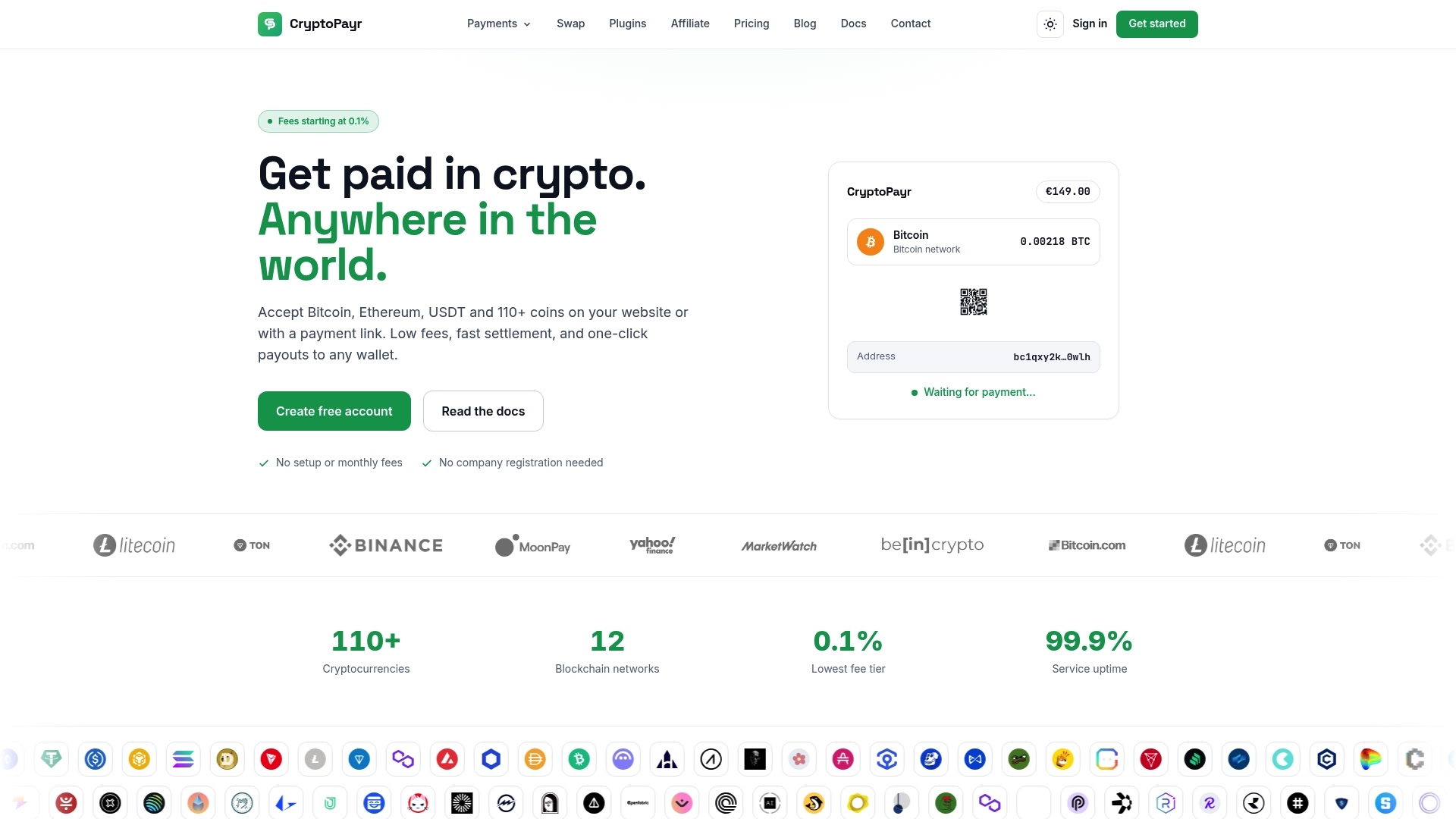
Whether you’re running a subscription SaaS platform or a one-off digital storefront, the setup adapts to your treasury needs rather than the other way around. Check out the crypto payment gateway to see the checkout, API, and payment link options, or look at the white-label solution if you’re building a platform for other merchants. Either way, you can have a test integration running today.
Sources
Recommended


